Archives: Museum Objects

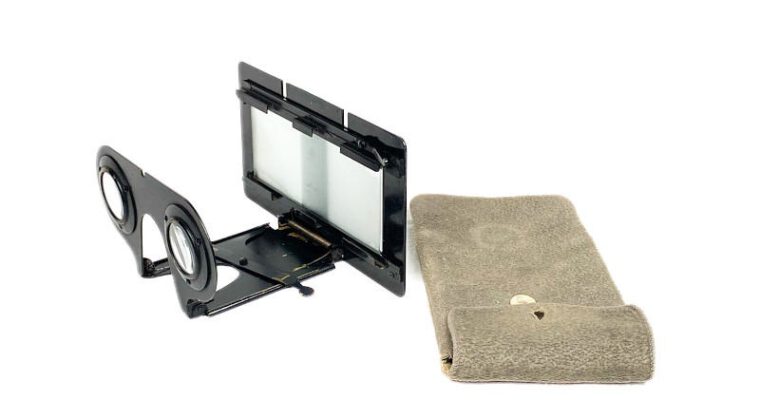
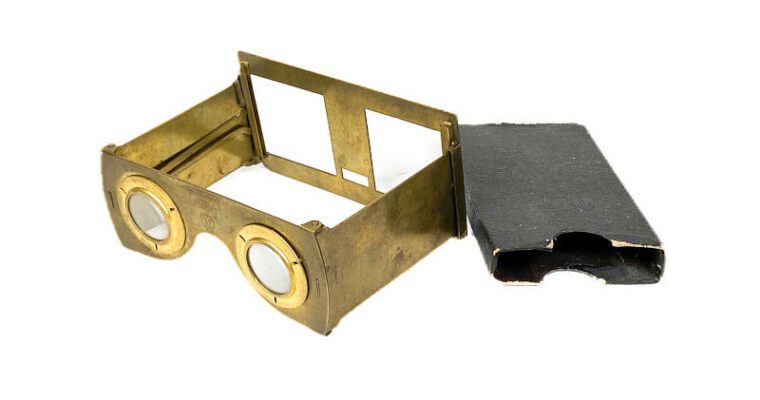
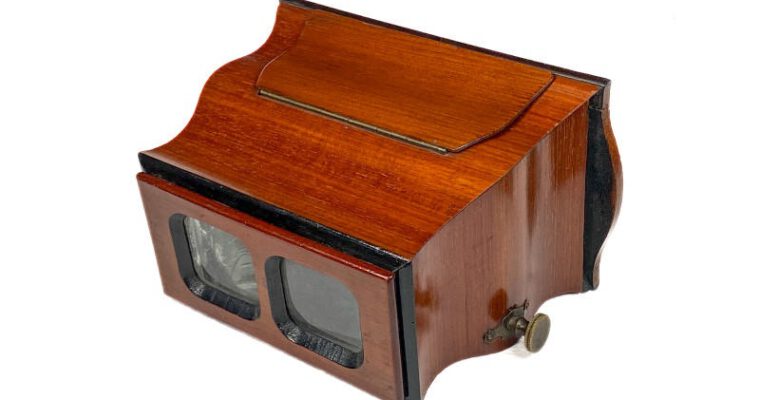
Foldable Stereoscope ‘Clégil’

Foldable Stereoscope ‘Clégil’

In 1887, Eugène Gas­ton Clé­ment and Georges Arthur Gilmer joined forces with the opti­cian A. Lav­erne for three years, at the end of which they took over the com­mer­cial busi­ness locat­ed at 10 Rue de Malte in Paris. From 1890 onward, the part­ner­ship Clé­ment & 

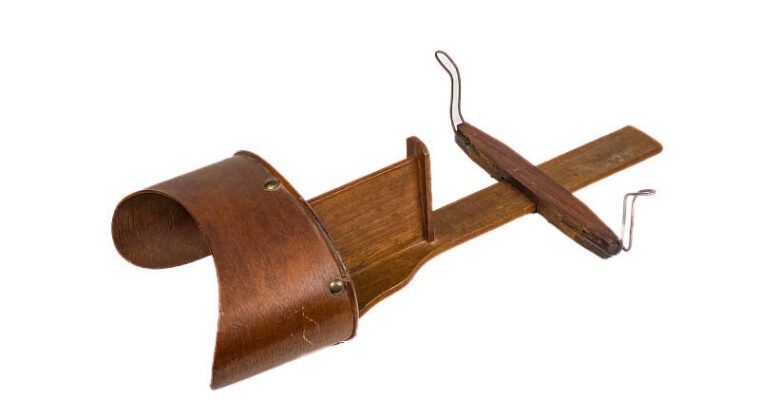
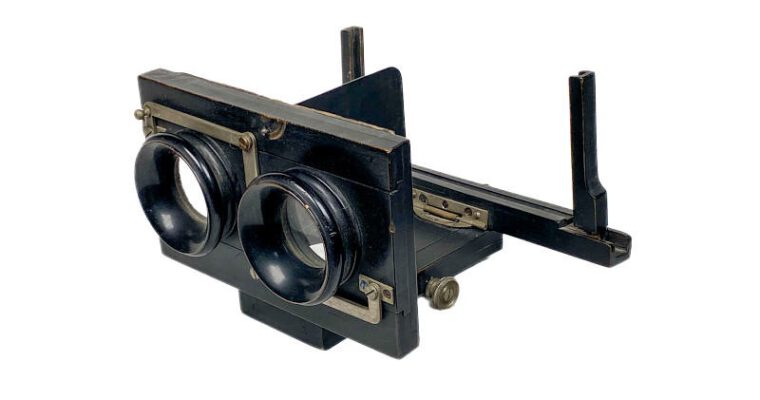
Stereoscope, Long Body

Stereoscope, Long Body

Fur­ther read­ing: Stere­oscopy His­to­ry Series — Mat­tey (A. Ruiter)

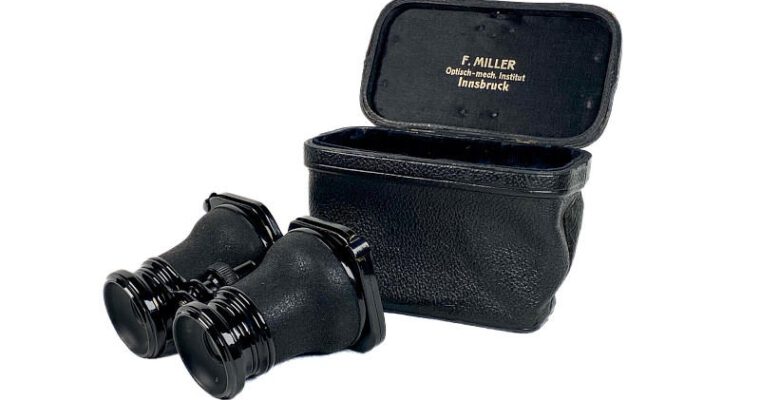
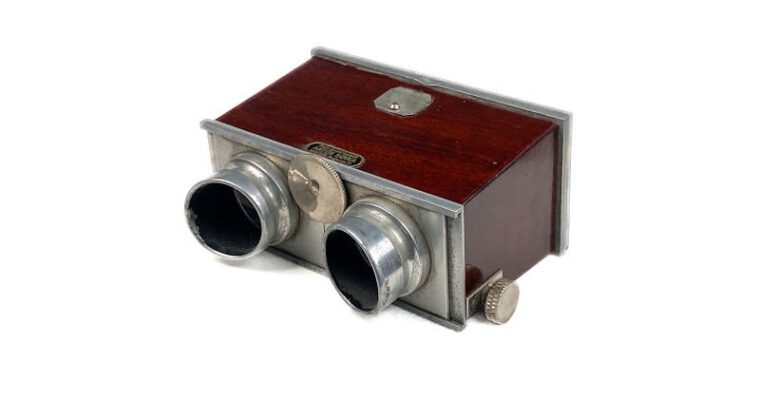
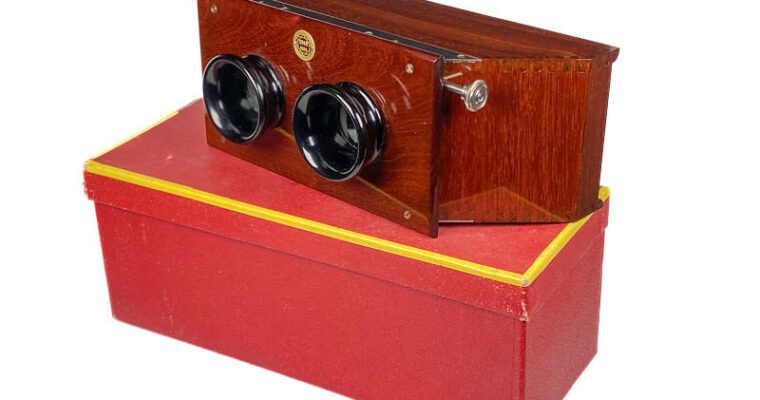
Stereoscope ‘Stereo-Dioskop’ with Reseller Storage Box

Stereoscope ‘Stereo-Dioskop’ with Reseller Storage Box

The Stereo-Dioskop is a com­pact binoc­u­lar-style stere­o­scope. The view­er was a com­mer­cial suc­cess and was also dis­trib­uted by oth­er Ger­man cam­era man­u­fac­tur­ers includ­ing ICA, Con­tes­sa-Net­­tel, and Franke & Hei­decke. (from: Com­pendi­um of Stereoscopes)

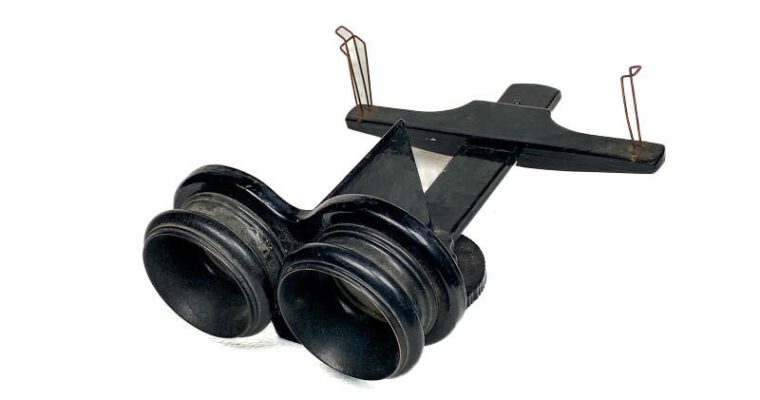
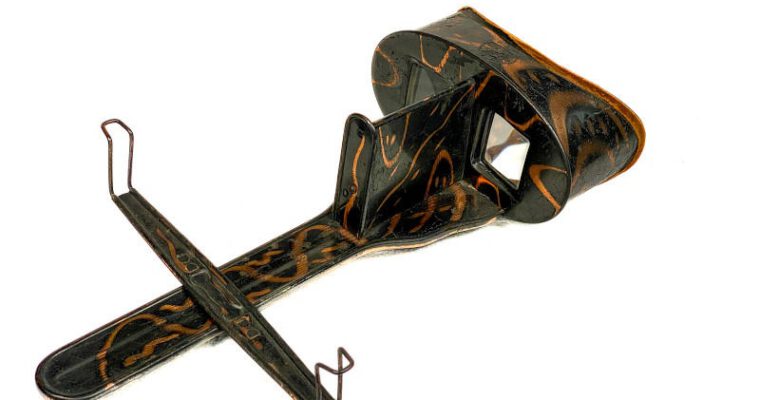
Holmes Stereoscope ‘Stéréoscope à main’

Holmes Stereoscope ‘Stéréoscope à main’

Bellieni’s stere­o­scope is a vari­ant of the Amer­i­can Holmes-Bates stere­o­scope, referred to in France as the “Mex­i­can Stere­o­scope.” The wood­en frame is fit­ted with a detach­able han­dle, and focus is adjust­ed by means of a large rotary wheel on the under­side. The view­er was also 

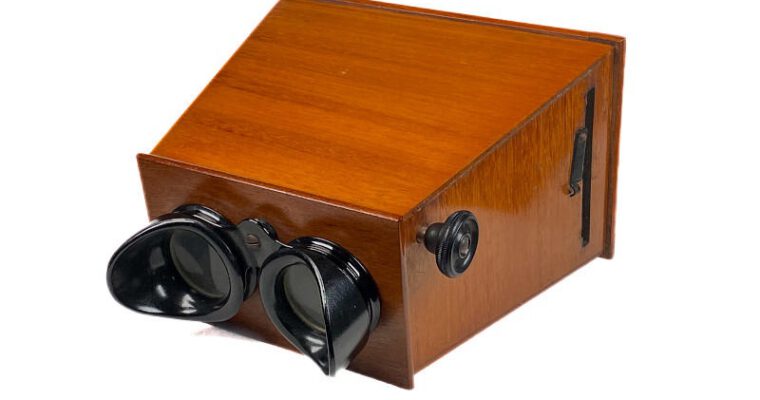
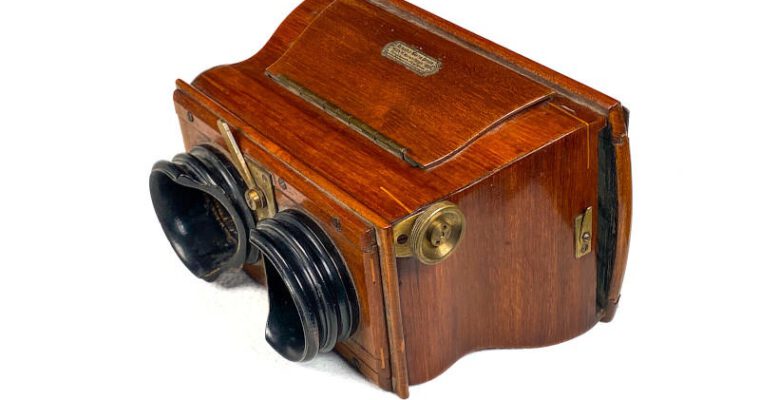
Stereotelescope ‘Stéréo-Project’, wooden version with original storage box

Stereotelescope ‘Stéréo-Project’, wooden version with original storage box

The Stéréo-Project was pre­sent­ed to the French Pho­to­graph­ic Soci­ety dur­ing its meet­ing of Novem­ber 6, 1903. Its oper­a­tion was as fol­lows: In stereo­scop­ic pro­jec­tions, the two images are pro­ject­ed side by side onto a screen. To per­ceive the stereo­scop­ic effect, each per­son must use a