Blog

Stereo cards from modern times

Stereo cards from modern times

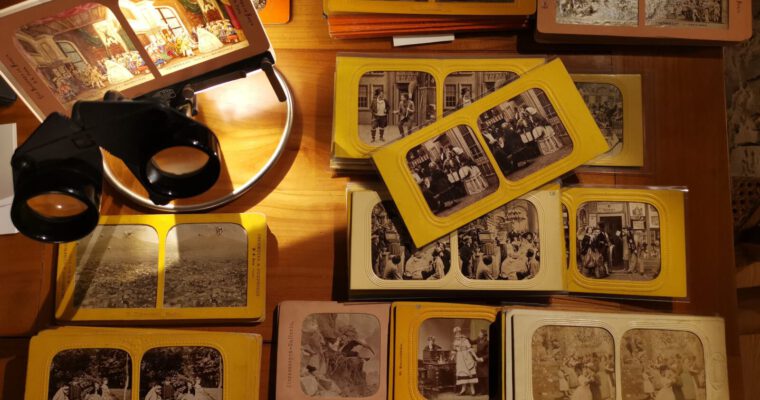
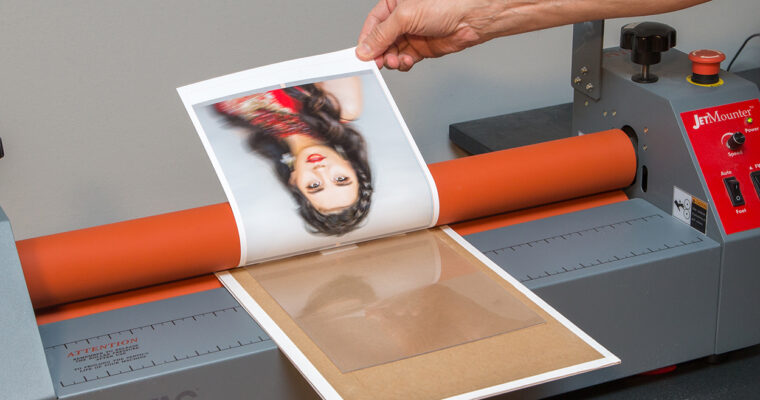
I present you a series of mod­ern stereo cards, inspired by the Vic­to­ri­an way of depict­ing real­i­ty: Stereo­scop­ic pho­tog­ra­phy. I’ve been inspired and fas­ci­nat­ed by the atmos­phere of old stereo­scop­ic cards, which were, in their time, the most real­is­tic way to immor­tal­ize and then relive the mem­o­ries dri­ven by the sight of a par­tic­u­lar scene. I show you how to cre­ate your own mod­ern stereo card in 10 minutes!

A breeze from Brazil

A breeze from Brazil

The vil­lage stere­os por­trays the charm­ing his­tor­i­cal cen­ter of the city of Tiradentes, in Minas Gerais, Brazil, one of my favorite places.

Michael Burr’s Favourite Model

Michael Burr’s Favourite Model

Michael Burr was one of the most pro­lif­ic pho­tog­ra­phers of staged genre stere­oviews in the Vic­to­ri­an era. Like most pho­tog­ra­phers Burr had his favourite mod­els who make reg­u­lar appear­ances in his tableaux. One of them, and per­haps the most rel­e­vant to read­ers of this arti­cle, appeared as the wife of a stere­o­graph enthu­si­ast who, while her hus­band is occu­pied in scru­ti­n­is­ing the lat­est offer­ings from the trav­el­ling stereo sales­man, takes the oppor­tu­ni­ty to flirt with the top-hat­ted pur­vey­or of 3D delights.

“Tissues” or “The Happiness of the Collector in Collecting”

“Tissues” or “The Happiness of the Collector in Collecting”

What to do in 2020, these dif­fi­cult times for pas­sion­ate col­lec­tors? Read about Thomas Asch’s newest acqui­si­tion, get some his­tor­i­cal back­ground infor­ma­tion and look at the dif­fer­ent kinds of stereo­scop­ic Tissues.

Symbiosis of art — a sculptor’s stereo photos

Symbiosis of art — a sculptor’s stereo photos

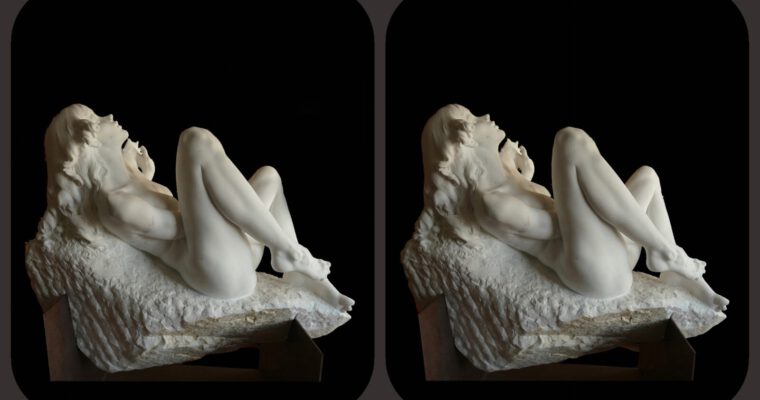
Unlike paint­ing, in sculp­ture, the per­cep­tion of spa­tial depth may be the most impor­tant thing to con­sid­er. The rela­tion­ship of each of the ele­ments dis­trib­uted in the space is the real chal­lenge to take into account in cre­at­ing sculp­ture. In the vast major­i­ty of cas­es, col­or is dis­pensed with to focus atten­tion on three-dimen­sion­al shapes. In a tra­di­tion­al two-dimen­sion­al pho­to­graph of a sculp­ture that per­cep­tion of depth is lost, and there­fore two-dimen­sion­al pho­tog­ra­phy is a very inef­fec­tive means to rep­re­sent the spa­tial aware­ness of a sculpture.

Getting the Right Depth in 3D Photography

Getting the Right Depth in 3D Photography

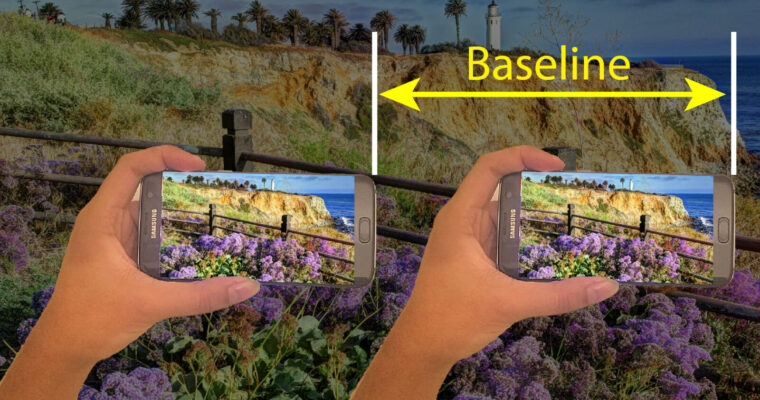
A 3D pho­to­graph usu­al­ly con­sists of two images of the same sub­ject tak­en from dif­fer­ent view­points. One of the most com­mon ques­tions amongst both expe­ri­enced and new stereo pho­tog­ra­phers is how to deter­mine the right dis­tance between the left and right cam­era posi­tions that should be used when tak­ing the pho­tos. Learn how to achieve the right depth in your pho­tos for a sat­is­fy­ing view­ing experience.

Mid-Century 35 mm Filmstrip Stereo Viewers

Mid-Century 35 mm Filmstrip Stereo Viewers

3D film­strip view­ers are a fam­i­ly of stereo view­ers that gained promi­nence in the ear­ly 20th cen­tu­ry. In fact, it was a small film­strip view­er called Tru-Vue that re-intro­duced 3D view­ing as a mid-cen­tu­ry pas­time, made it more afford­able than ear­li­er stere­o­scope sets, and paved the way in the hearts and minds of con­sumers for the pop­u­lar 3D reel & card view­ers that would come lat­er. For this rea­son, Tru-Vue has often been called “the miss­ing link” in stere­oscopy. Explore some of the most inter­est­ing film­strip stereo view­ers here.

Restoring Stereoscopic Antiques

Restoring Stereoscopic Antiques

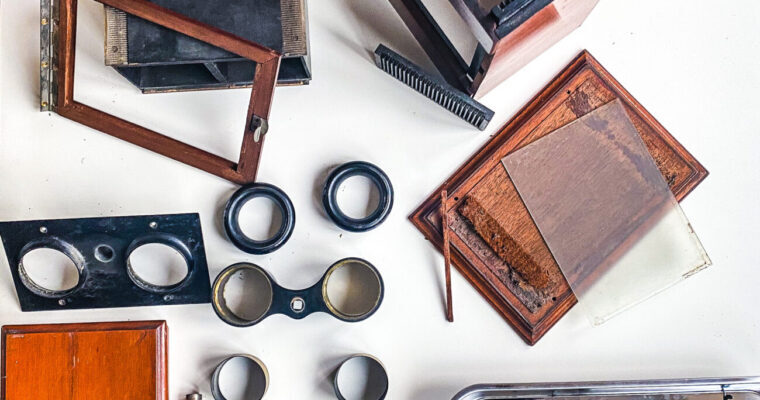
When con­sid­er­ing restora­tion, I always ask myself one very sim­ple ques­tion: What would this stere­o­scope look like today if it had nev­er dis­ap­peared from its own­er’s liv­ing room, but had been cher­ished and cared for con­tin­u­ous­ly for over 100 years?

Multi-Frame 3D Photography

Multi-Frame 3D Photography

Lentic­u­lar pho­tographs can be viewed the same way as ordi­nary pho­tos, but they show the added dimen­sion of depth. No stere­o­scope or 3D glass­es are required for view­ing. This ease of view­ing is the biggest ben­e­fit of the lentic­u­lar print. By adding more than two view­points, the prints are eas­i­ly viewed from a vari­ety of posi­tions and angles.

Negative Notions: Proper digitization of stereoscopic negatives for parallel viewing

Negative Notions: Proper digitization of stereoscopic negatives for parallel viewing

Stereo­scop­ic neg­a­tives are, by nature of their cre­ation, trick­i­er drag­ons to con­quer than are those made by tra­di­tion­al two-dimen­sion­al cam­eras. They are vicious chimeras, prod­ucts of dis­tinct pho­to­graph­ic and stere­o­graph­ic process­es, and dif­fi­cult to tame. Read here how to do it.

The Autochrome project

The Autochrome project

The Autochrome was one of the prin­ci­pal ways of pro­duc­ing colour pho­tog­ra­phy in the ear­ly 20th Cen­tu­ry. The Autochrome Project is a per­son­al endeav­our to pro­duce a work­able method of recre­at­ing the Lumiere Autochrome. 

An Abbreviated History of Stereo-Pair Illustrated books

An Abbreviated History of Stereo-Pair Illustrated books

Every now and then you can find stereo illus­trat­ed books that incor­po­rate a view­er, to view the print­ed stereo pairs, rather than anaglyphs. This basic con­cept and for­mat turns out to be quite old. Read more about it in David Stark­man’s abbre­vi­at­ed his­to­ry of Stereo Illus­trat­ed books.