The Art of Folding — Ingenious Ideas in Stereoscope Design
Not every stereoscope was designed to stand on a table or occupy a place in the living room. Some were made to be folded away, carried in a pocket or taken along on a journey. And the variety of designs is quite remarkable.
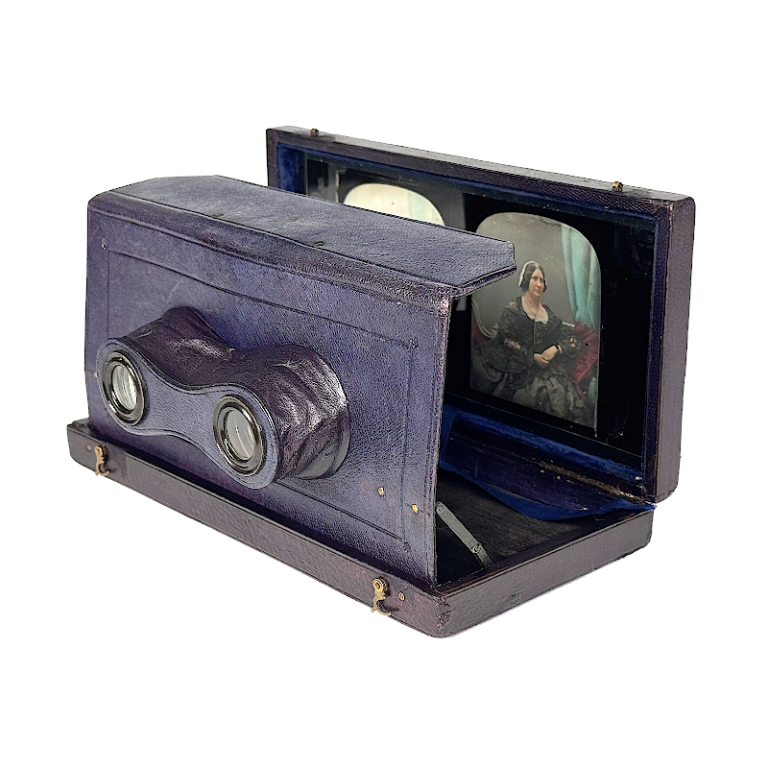
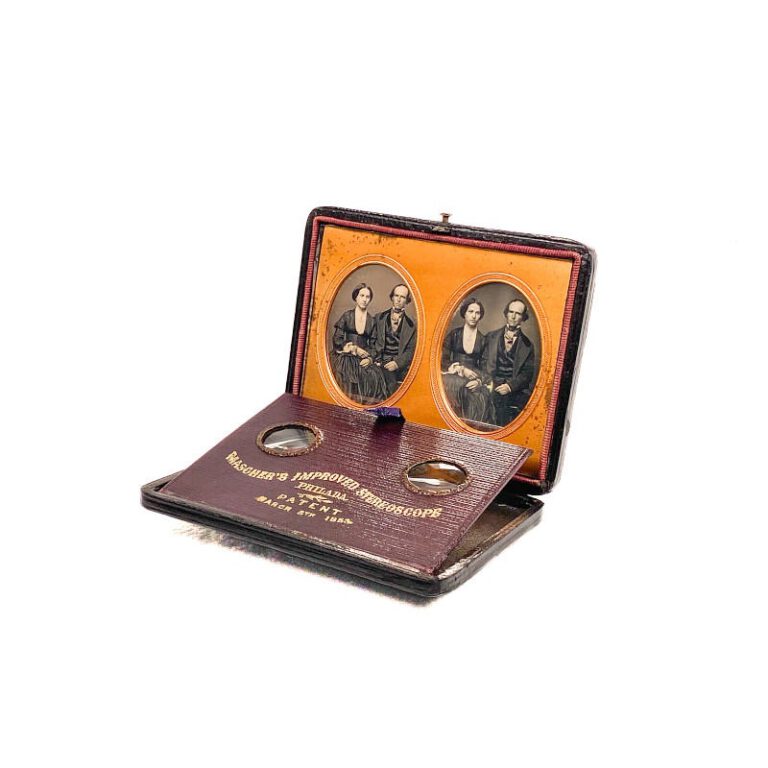
Folding stereoscopes appeared surprisingly early. Two examples from the 1850s, Claudet’s Viewing Case and Mascher’s Improved Stereoscope, show how closely these early instruments were connected to the daguerreotype era. Although they served a similar purpose, their makers approached the design rather differently.
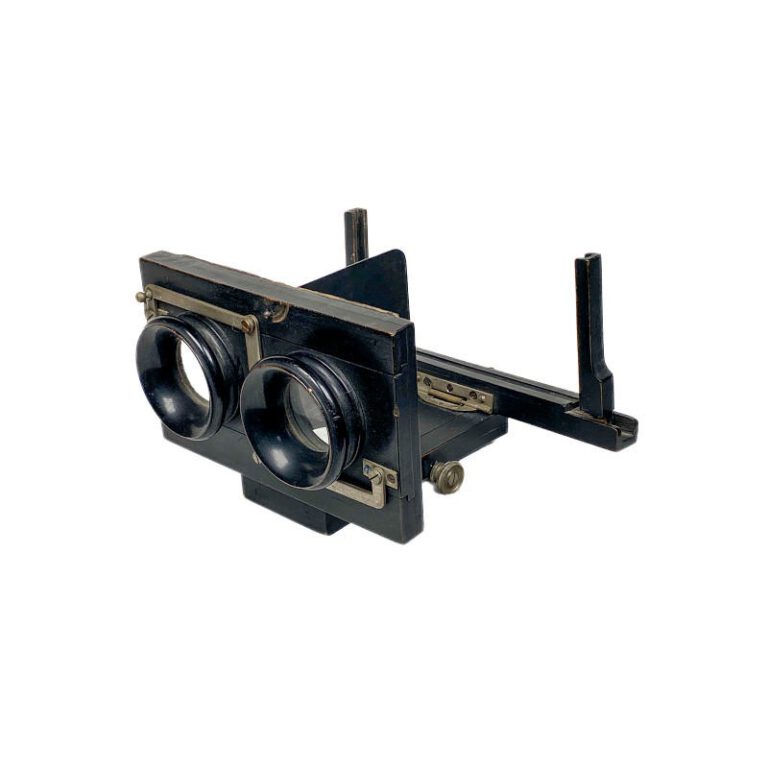
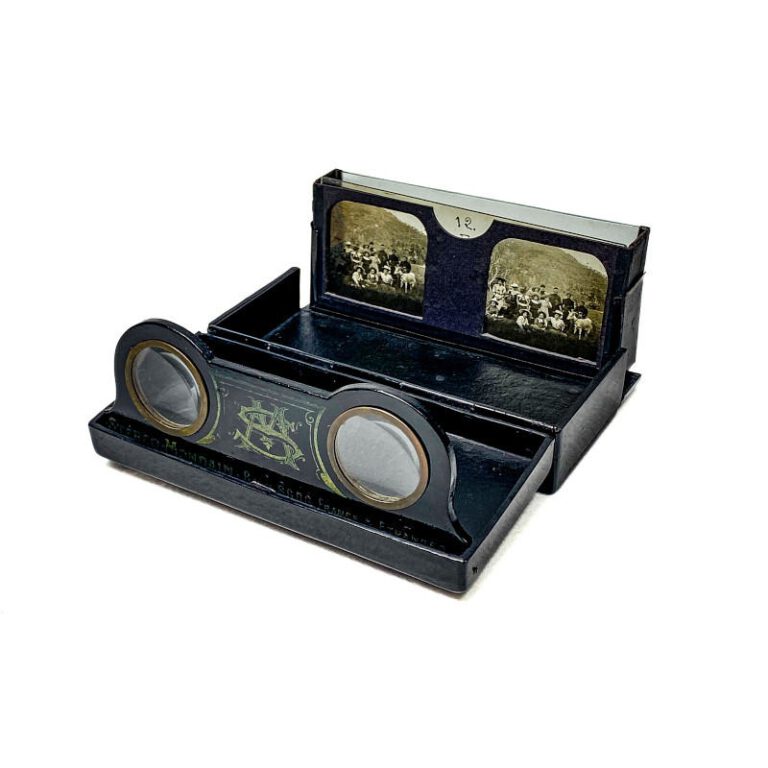
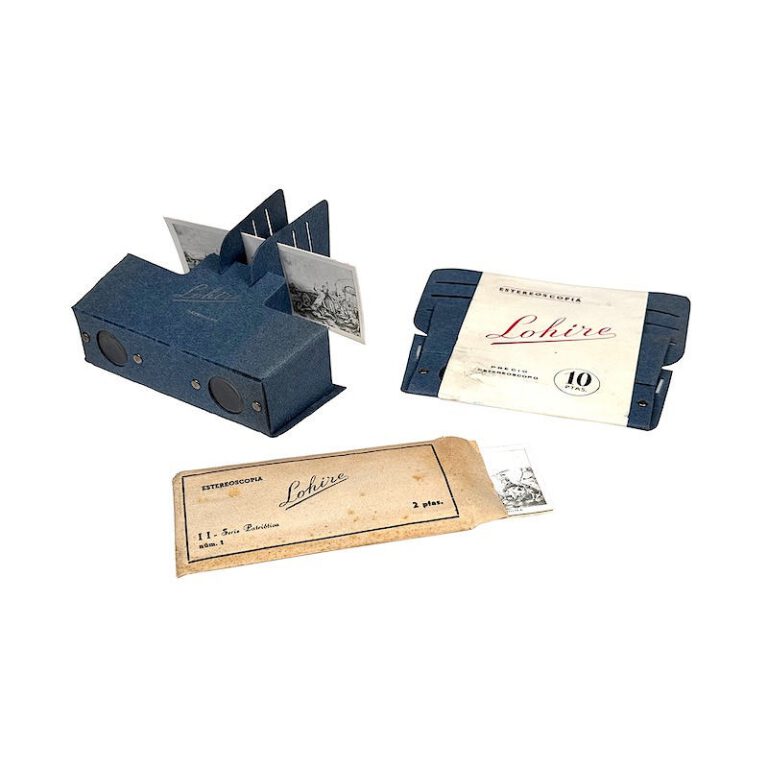
By the beginning of the 20th century, folding stereoscopes had taken on new forms. The French Clégil was designed with versatility in mind, while the elegant Stéréo-Mondain has a rather unusual story behind its invention, involving a woman at a time when female inventors were still a rarity in the optical industry. And the Spanish Lohire, made around 1950, demonstrates just how simple and inexpensive a folding stereoscope could become.
I’ve chosen these five instruments because they illustrate the remarkable range of ideas behind a seemingly simple concept. Some were practical, others surprisingly sophisticated, and a few have stories that go well beyond their construction.
Have a look at the objects below — there’s more to discover than their compact size might suggest.